History Is Who We Are
A brief history of our park.
Nestled in the ancient Baraboo Hills, Devil’s Lake has been a place of natural wonder, cultural significance, and outdoor adventure for thousands of years.
Ancient Origins
Discover how glaciers, towering quartzite bluffs, and thousands of years of natural change shaped the breathtaking landscape of Devil’s Lake State Park.
Cultural Heritage
For centuries, the Baraboo Hills and Devil’s Lake have held cultural and spiritual importance to Indigenous communities, including the Ho-Chunk Nation, whose connection to this land continues today.
Preserved Legacy
From early conservation efforts to modern stewardship, Devil’s Lake remains one of Wisconsin’s most treasured natural destinations — protected for future generations to explore and enjoy.
12,000 Years Ago
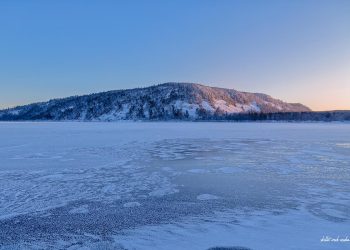
The last Ice Age reshaped the region, carving out a natural basin and leaving behind the terminal moraines that dammed the valley — creating what we now call Devil’s Lake. The surrounding pink quartzite bluffs are even older, dating back 1.6 billion years.
1600's
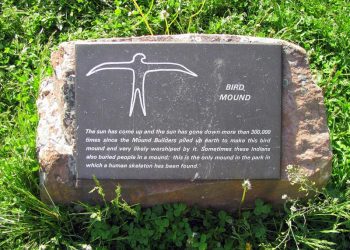
The Ho-Chunk Nation and other Native peoples inhabited the Baraboo Hills region, using the land for hunting, gathering, and ceremonial purposes. The lake and its bluffs remain sacred to many Indigenous communities.
1832
Following the Black Hawk War, the U.S. government signed treaties with the Ho-Chunk Nation that led to the ceding of land, paving the way for European-American settlement in the region.
1911
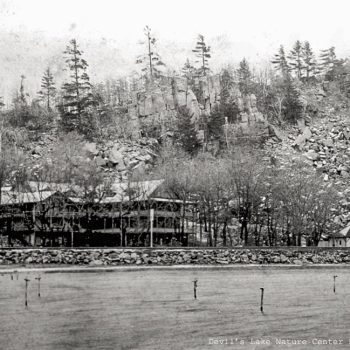
Wisconsin designated Devil’s Lake as a state park, making it one of the first state parks in Wisconsin. It opened with just over 100 acres of land and quickly became a popular destination.
1963
A non-profit was established to manage the park’s gift shops, concessions, and campground store. Proceeds have since helped maintain and improve services across Wisconsin State Parks.
2024
Today, Devil’s Lake is the most visited state park in Wisconsin, with nearly 2.4 million visitors each year, offering hiking, camping, climbing, and peaceful retreats in every season.
Discover the timeless beauty
Devil’s Lake a place where ancient bluffs rise above crystal waters, forest trails lead to quiet moments, and every visit offers a sense of wonder, relaxation, and connection.
Devil’s Lake State Park
Devil’s Lake State Park, founded in 1911, is located within the Baraboo Hills 3 miles south of Baraboo, WI. The park offers year round entertainment whether you are enjoying the 25+ miles of trails in hiking boots or skis, or finishing a sunny day at the beach with an ice cream cone from one of the concessions.